Kanchenjunga Base Camp Trek

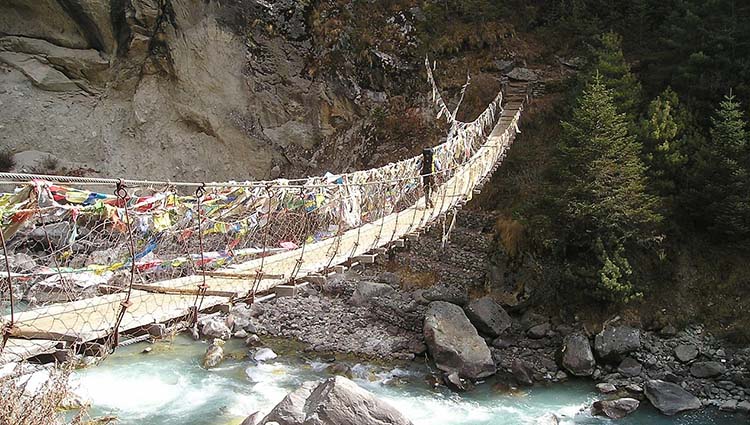
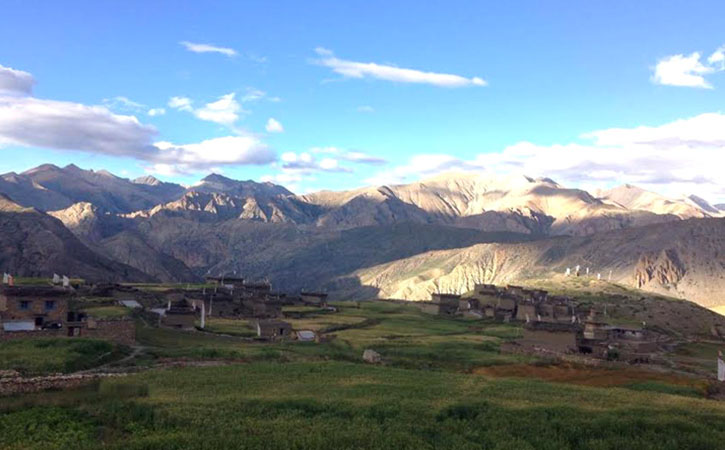
After sightseeing in Kathmandu we take our flight to Biratnagar. We will spend a night in Biratnagar before catching the flight to Taplejung to begin our trek. Our journey commences with an exciting flight over the foothills. We have the chance to explore the Taplejung Bazaar walking the cobble stone streets. The trail makes a long circular descent to the terraced fields of Pokara where there is a suspension bridge over the Phawa Khola. From here our ascent is worthwhile for the views from the Bhanjyang reval Kangchenjunga and her satellite peaks in all their glory. This is truly marvelous country with ridge upon ridge of forest setting off the rich flora and cultivated fields of the valleys. After camping on the grassy pastures, we walk through jungle then continue our way up and around the ridges on the west of Kabeli Khola. Passing through the terrace fields and the forest hills, our footsteps now lead us to the floor of the valley beside the blue green waters of the infant Ghunsa Khola. The village of Ghunsa is built of wooden houses and inhabited by Tibetans.


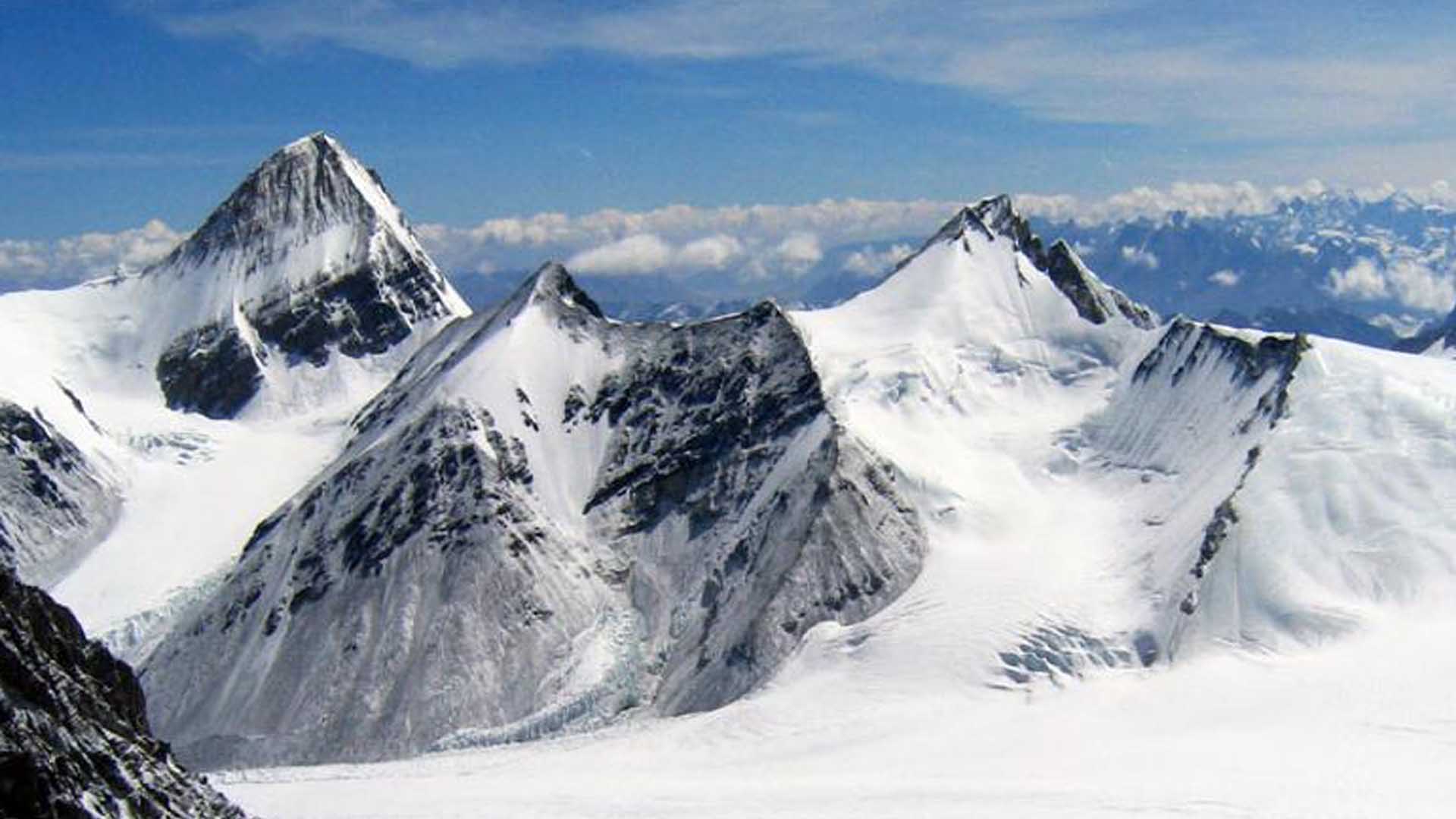
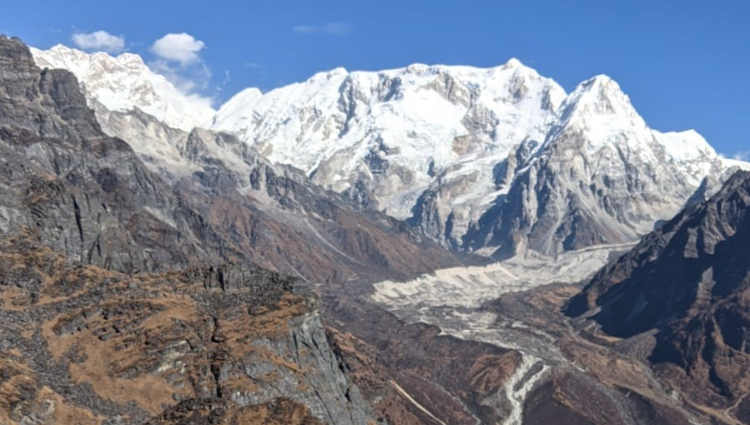
The terminal moraine of the Jannu glacier can be seen clearly ahead. As the moraine is reached a small bridge provides access across the river to a tiny grass clearing known as Rhampuk Kharka. Views to the north and east gradually open out to include the peaks of Phole which rise majestically above the moraines of the Jannu Glacier. Wonderful Mountain views are visible in all directions and the ice flutings of Wedge Peak and the snowy ramparts of Nepal and Tent Peaks present the ideal backdrop for a colorful sunset.


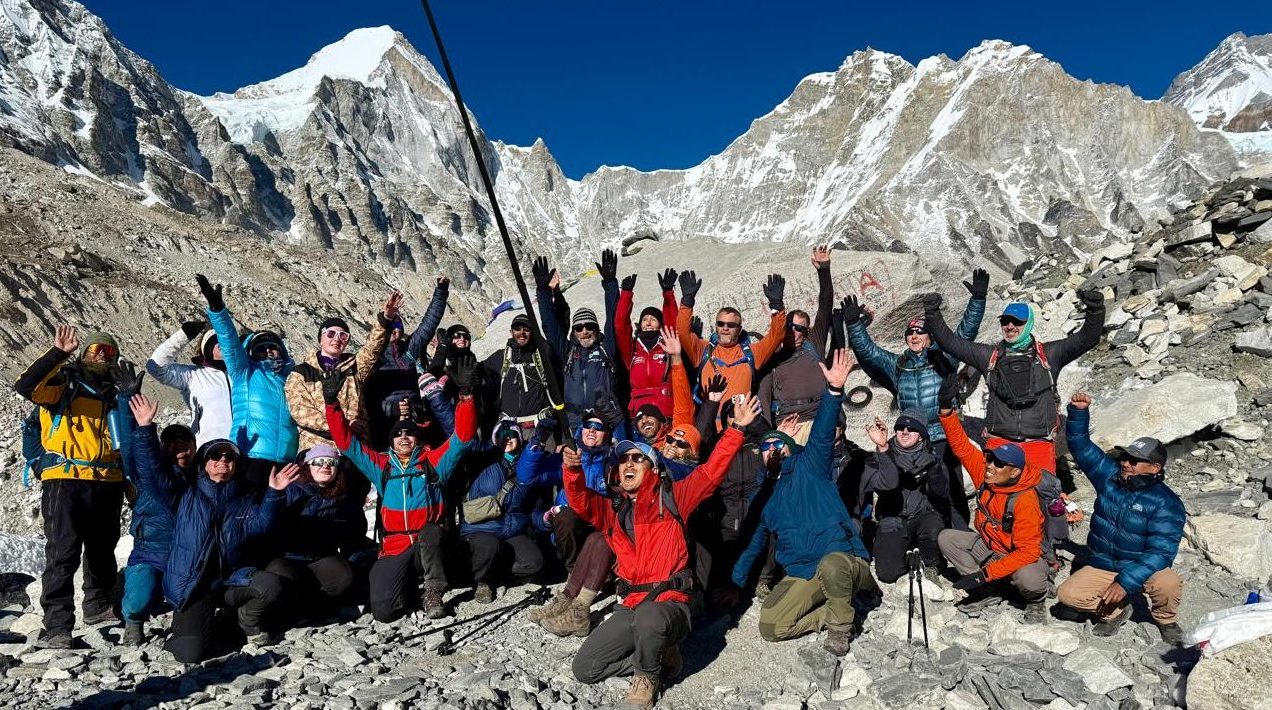
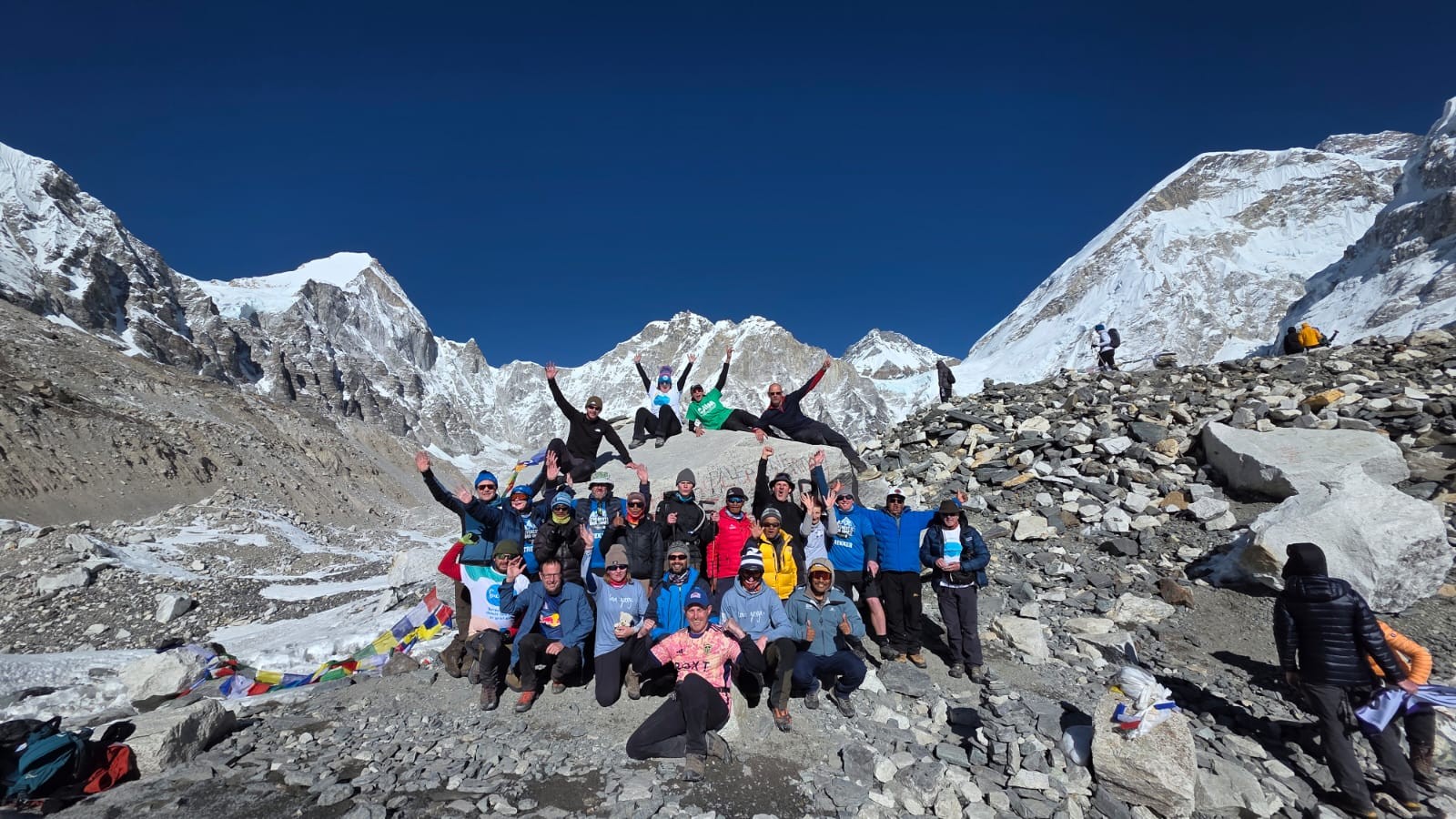
You will be excited to discover places like KAMBACHEN and LHONAK that lead us to the Pangpema (The Kangchenjunga Base camp). The route to Pangpema from LHONAK provides stunning views of the beautiful valley with Wedge, Nepal, Tent and Pyramid Peaks becoming visible along with the Sharphu peaks as they dominate the horizon. As we reach Pangpema, a small grassy shelf above the glacier we have a fantastic view to the south of the Twins and finally, the great north faces of Kangchenjunga and Yalung Kang.


Trekking this route provides views of breathtaking Himalayan landscapes and above all, genuine warmth from smiling locals. We leave this region trek back to Taplejung, fly back to Biratnagar and onto Kathmandu.

Mustang (Lo Mangthang) Trek

After exploring Kathmandu we drive or fly to Pokhara, and stay a night, before flying to Jomsom to begin our classic trek to Mustang.

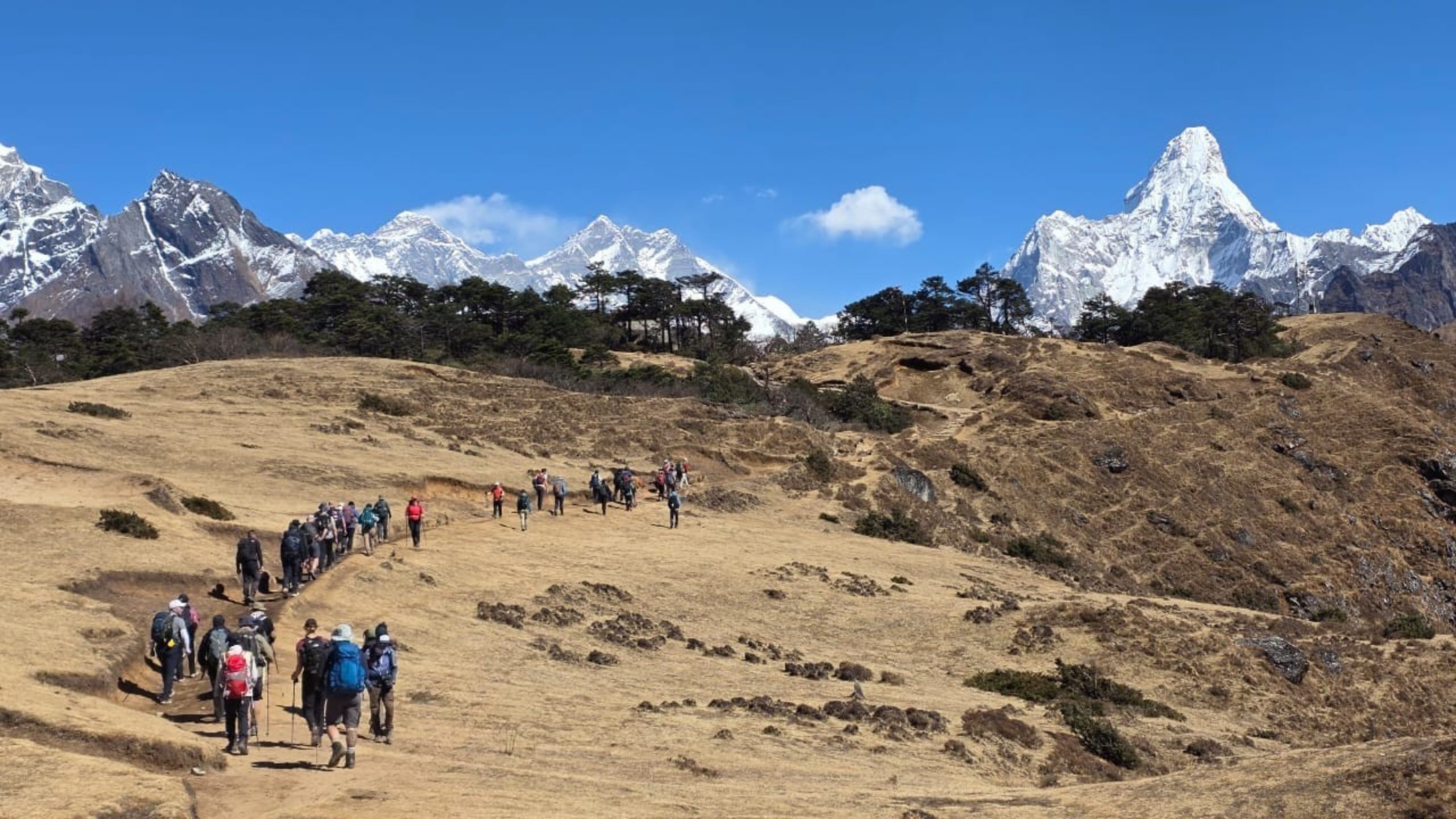
It is a short trip, with spectacular views of the Annapurnas and Dhaulagiri, and we land on the tiny airstrip of Jomsom. We head North of the village of Kagbeni and cross a small hanging bridge, walking along the bank of the Kaligandaki River. There is an abundance of beautiful big peaks all around us, such as Dhaulagri, Tukuche, Nilgiri (the awesome mountain above Kagbeni) and the entire Annapurna massif to the southwest dominates. Taking high trails and river bank paths, we come to Chussang. The trail remains interesting with the passing of mule trains carrying goods from Mustang and Tibet. The breathtaking views of the Himalayas to the north are always there to encourage us to continue to our destination. The five villages in this area, Chele, Gyakar, Chussang, Tangbe and Tetang are culturally unified and their populations closely related to the Managis people. As in all the settlements of Mustang, most houses are constructed out of mud and stones with rooves made out of twigs, straw and a mixture of mud and pebbles, usually painted in bright white or ochre colors.

The path to Samar provides us not only with a change in topography but also a distinctive culture, lifestyle and people. Throughout our journey the landscapes are amazing, with brown hills, few trees and some Apple orchards. We walk to Tsarang where we view a huge five storey monastery fortress perched on the edge of the Kali Ghandaki gorge, to the east of the village. The Gompa houses house an excellent collection of statues and Thankas. After exploring the Tsrang valley, we gently climb above the valley to a large Chorten that forms the boundary between the Tsrang and the Lo. Exploring the Lo-Manthang for two days enables us to witness a city which is the Kingdom of the Mustangi King. His Palace is an imposing four storey building in the center of the town, which is an absolutely fascinating place to wander around, with narrow streets and houses adjoining the city walls. The lifestyle of the people in this region is really something to reflect upon. We have reached the halfway point of the trek and return to Jomsom following the same route. In Jomsom we’ll enjoy the local culture and a folk dance, before rising early the next morning and flying to Pokhara where we enjoy the day, shopping, and exploring the city. The following day we catch our flight to Kathmandu.

Everest High Traverses Trek

Traversing Khongma La, Cho La and Renjo La allows us access to several of the valleys in the Everest region without backtracking. We also ascend Gokyo Peak and Kala Patar and optionally visit Everest Base Camp, to complete this full-on experience. This is a demanding and adventurous trek, taking us to heights above 5000m on several occasions. Camping in tents will be necessary during the pass crossings, at which times our cooking crew will prepare our meals. All other accommodation will be in comfortable lodges.

Our trek starts in Lukla after a flight from Kathmandu. Walking slowly and steadily, we follow the classic trail towards Everest, via Namche Bazaar and the beautiful Thyangboche monastery. At Dingboche, we continue west along the Chukhung valley. Rest days are included along the way to ensure that we are properly acclimatized to tackle our first high pass: Khongma La (la means mountain pass) at 5535m will present us with dramatic views of Ama Dablam and Makalu, and a real encounter with the high-altitude environment.

The descent takes us onto the Khumbu Glacier and then to Lobuche in the Khumbu valley. We ascend Kala Patar for breathtaking close-up views of Everest, and an afternoon’s trip to Everest Base Camp is possible. Back at Lobuche, we head towards our second pass, the Cho La, a traverse with permanent snow leading into the Gokyo valley. There are dazzling turquoise lakes to be explored here, and Gokyo peak to climb for more first-class views of Everest(8848m), its neighbours, and Cho Oyu(8201m) on the Tibetan border.

A scramble over Renjo La brings us into the Bhote Kosi valley, which extends all the way from the border of Tibet and Nepal. We walk along grazing pastures and a trading route used by yak trains from Tibet to Thame. It is a short day from Thame to Namche Bazaar, where we re-trace our earlier steps to Lukla and then fly back to Kathmandu.

Everest Base Camp and Gokyo Lakes Trek

We spend two nights in Kathmandu and then fly out to Lukla where our trek starts. Heading up the Dudh Kosi valley we reach Namche Bazaar and from there proceed into the Gokyo Valley.

A series of shorter walking days sees us safely acclimatized by the time we reach our lodge at Gokyo, beside the Ngozumpa glacier. It is well worth a morning climb up Gokyo Peak, as all of the 8000-plus m peaks in the area (including Everest and Cho Oyu) can be seen spectacularly from here. The tranquil lakes can be dazzlingly blue and during a good freeze in winter, provide a novel opportunity for some skating!

From Gokyo we trek into the Khumbu Valley via Phortse, Pangboche and Dingboche. A more challenging option, weather conditions and group fitness permitting, is to cross the Ngozumpa glacier and take the Cho La pass to join the main Everest trail near Lobuche. We follow the trail up to Gorek Shep, our highest lodge. An afternoon is spent walking the rugged trail to Everest Base Camp. Our climb up nearby Kala Patar, at the base of Pumo Ri (7165m), is best done in the early morning. It is short but steep and tough, and our efforts are rewarded by a brilliant close-up view of mighty Everest from one of the best vantage points around.

Our return trek to Lukla takes in the famous Thyangboche Monastery. It is a beautiful and peaceful place to pause and absorb the immensity of the Himalayas, spread out in a magnificent 360-degree panorama around us. We farewell our trekking crew and the Khumbu region in Lukla, and fly back to Kathmandu where there is time to relax, shop, and sample more of the fascination of this exotic city.

Gokyo Peak and Lakes Trek

After two days exploring the fascinating city of Kathmandu, we fly to Lukla to commence our trek.

We follow the Dudh Kosi (Milk River) valley, through villages inhabited by the warm-hearted Sherpa people, to Namche Bazaar with its colorful and vibrant market place. We then cross the Mong La (la means mountain pass) into the Gokyo Valley.

For the next few days, our trekking days are short, to ensure safe acclimatization as we ascend towards our lodge at Gokyo. Gokyo Ri (ri means ridge or peak) stands 5360 metre high and the views from the top are magnificent, showing all the 8000 metre peaks in the area including Everest, Lhotse, and Cho Oyu(8201m) on the Tibetan border.

The lakes at Gokyo are usually a vibrant turquoise color, but if you visit in winter (Dec/Jan) they are likely to be deeply frozen and it is a unique experience to skate on the ice!

From Gokyo, we trek back to Lukla varying our path to visit Thyangboche, a beautiful and tranquil Buddhist monastery set high on an open ridge with the Everest massif towering above or the other option we go for passing Renjo La descending down to Thame via Lumde.

Back in Lukla we celebrate our adventure Sherpa-style with our trekking crew, before flying back to Kathmandu for more opportunities to shop, sightseeing and relax.

Everest Base Camp Trek

After exploring Kathmandu, we take a short flight to the hillside village of Lukla (2800m). Through the diverse and eye-catching vegetation of Sagarmatha National Park, we trek to the Sherpa ‘capital’ Namche Bazaar. A colorful, bustling and friendly town, Namche was formerly a trading post between Nepal and Tibet.

From Namche we move towards to kyangjuma and ascend slowly but steadily to Phortse,Upper-Pangboche,Dingboche Lobuche and finally to Gorek Shep, advancing above the tree line into more rugged and moonscape-like surrounds. Gorek Shep at 5160m is in fact the highest point at which we will lodge, and we take our time to reach this altitude properly acclimatized. Typically, we leave our packs at Gorek Shep to make an afternoon foray to Everest Base Camp, passing spectacular glacial forms and enjoying the triumph of having made it all the way!

The following morning, we ascend Kala Patar (5550m), a short but steep and challenging climb, which leads to a viewpoint acknowledged as one of the best from which to see Mount Everest. The climbing route from Base Camp through the Khumbu Icefall is apparent from here.

Our trek back to Lukla takes about 3 days, where we farewell our trekking crew before flying back to Kathmandu for more celebrations, exploring, shopping, relaxing and enjoying the vibrant and exotic atmosphere.

Everest Adventure Trek

After exploring Kathmandu, we fly to Lukla and then up the Dudh Kosi Valley through pine and rhododendron forests, with the river cascading below the trail. We trek slowly, with plenty of rest stops to aid acclimatization and take in the dramatic mountain scenery. The path to Namche Bazaar is well-worn by yaks, traders, locals and trekkers alike, and the ascent is steep towards the end. Our reward is a spectacular mountain vista, with views of Thamserku (6608m), Kusum Kanguru (6369m), Nuptse (7861m) and Lhotse (8501m).

We spend a rest day at Namche, with an opportunity to relax, shop or take a short day walk. Given clear conditions, the alpine scenery here is spectacular.Then we head upwards to spend a night at the peaceful and spiritual Thyangboche monastery, located high on an open ridge and offering superb views of Everest, Ama Dablam and other Himalayan giants.

On our return, we pass through the village of Sanasa, a Tibetan trading post, or pretty Khumjung/Kunde where a visit to Everest View Hotel is possible.

The trek ends in Lukla, where we share a farewell meal with our trekking crew. The following day we fly back to Kathmandu for more time to explore, shop, relax, or sample the fare and atmosphere at one of Kathmandu’s many excellent restaurants.

Explore Tibet by Mountain Bike

Tibet the ‘Land of Snows’, the ‘Roof of the World’ has one of the richest cultural and spiritual traditions in the world. Tibet, the very name evokes feelings of awe and mystery. A land of ancient Buddhist culture, awesome landscapes, artistic monasteries, exotic cities, hidden valleys and centuries-old caravan trails, Tibet offers a totally different experience. Here men and gods inhabit the same landscape, both physical and mental. Since Tibet opened for tourism it has become increasingly easy to travel there. However, travel in Tibet can be challenging, and it does require a little extra preparation. The term “four seasons in a day” happens quite frequently here! Roads may wash out, and vehicles can break down. Even simple things can take a surprisingly long time. When you arrive in Tibet, take the time to adjust to the slower pace of life, and remember, much of the reward of travelling in Tibet is that you are in a remote, unpredictable, and fascinating region.

One of the most strenuous bike trips in the world with six 5000 meter plus passes. Spectacular scenery, challenging riding and encounters with one of the world’s most fascinating cultures make this a truly incredible experience.

The road from Lhasa to Kathmandu provides one of the truly classic biking routes of the world. We journey from Lhasa in the heart of Tibet, with it’s magnificent temples and amazing culture, to the Tibetan plateau, and right up to Everest Base Camp before seeking the Bhote Kosi valley and the road that takes us down, down, down into the semi-tropical gardens of Nepal, and the vibrant culture of Kathmandu.

This spectacular trip is not easy. Dusty rough roads, 5000 meter passes and unpredictable weather challenge even the best prepared riders. However, with training and commitment, the rewards of undertaking this journey are more than worth the effort.

You may choose either to begin your trip in Kathmandu, or join the trip directly in Lhasa. Upon arrival in Lhasa, we’ll spend there days visiting the famous Potala palace, the Jokhang Temple, and other local sights. We’ll take plenty of time to chill out and acclimatise to the altitude (3600 m).

The ride begins easily as we follow the broad river valley out of Lhasa, but steepens as we make our way to our first pass, the Khamba La(4794m). At the top, our hard work is rewarded by fabulous views of the scorpion shaped lake Yamdrok-Tso. The next day we cross the Karo La. From here, the glaciers are so close we can almost touch them! After the Karo La there is another small pass and then its an easy ride down into Gyantse, and our last large town, Shigatse. A few days and a few passes later, we turn off the main road onto the steep switchbacks of the road to Mt. Everest. Here’s the test of your “true grit!” The road is steep, dusty, and long! Once over the pass and in view of the mighty peak, all the struggle is forgotten in the excitement of arriving at the foot of the world’s highest peak. We’ll spend two days at Rongbuk monastery, travelling up to base camp, exploring and resting from our efforts so far. The final decent to the Nepal border will be memorable. We descend steeply through the gorge, witnessing the vegetation as it turns from dry, brown grasses to lush jungle and rhododendron forests. After days on the dusty high plateau, the thick, humid air is welcome, and the smells of the jungle blend with the exotic spice of Nepali cooking to present an intoxicating atmosphere. After crossing the Tibet/Nepal border, a short cycle down will bring us to The Last Resort, a tropical hideaway with available massage, sauna and plunge pool; luxury to welcome you to Nepal and wash away the dust of the high plateau! Rejuvenated, we’ll get back on our bikes and finish off our epic journey to Kathmandu.

Lower Dolpa Trek

After enjoying our leisure time spent in Kathmandu we fly to Nepalganj and in the evening we explore the beautiful city of Nepalganj . Early the next day we depart from our hotel, and we fly to Juphal. The 45 minutes flight gives us the panoramic view of the giant Annapurna, the magnificent Dhaulagiri and the beautiful Kanjiroba peak. As we land at the airstrip at Juphal we are greeted by our trek crew and from this point we commence our trek. While wandering through the terraced fields to the Bheri River we are led to Dunai, a large village and also the administrative headquarter of the Dolpo region.

We follow up the trails of the Suli Gad River listening to its roar and reach to Hanke, the gateway to Phoksundo National Park. Leaving Hanke and crossing the trails of the Rinje we continue to follow the river track to reach the National Park office at Sumdo. On the way from Sumdo we ascend to a ridge from where we experience the most staggering view of the waterfall and we have our first glimpses to the Phoksundo Lake,looking beautiful in the turquoise blue. Camping on our way up & enjoying the wilderness of the region, this is what a trek to this area is made for. At Rigmo a small village at the lakeside we can see the lifestyle of the people and their culture. Following the trail along the lake provides many picturesque scenes and the pleasure of viewing the lake so close.

Then we follow up the trail through the terraced, green fields of wheat, rice and maize looking more beautiful with the backdrop of the steep hills covered with pine and juniper forests that will lead us to Pelungtang. Leaving Pelungtang we’ll reach Tok Kyu. Before leaving Tok Kyu we will make a short visit to Champa Gompa. Then a rough track will descend to the Tarap Chu. Tarap is a dream valley with vast plains in high mountains extending 20 km along the river Tarap Chu with patches of grass on the both sides of the river completely unique and in contrast to other parts of inner Dolpa. Here we will see the blue sheep, marmots, yaks, sheep and goats and maybe meet the shepherds taking their flocks of sheep and goats to lower pastures.

We continue our walk down the Tarap Chu and then reach to the Khani Gaon. Here the quality of the foot trails varies from the broad, smooth and firm to very narrow and rocky, that will lead us to the Tarakot. Tarakot is an old fortress known by the local people as Dzhong. We then take our final pass to Dunai where we’ll have concluded the circuit and a celebration is sure to be had. Next we’ll move forward to Juphal from where we’ll fly back to Nepalganj and then from Nepalganj to Kathmandu.

Mt. Lhakpa Ri Expedition (7,045m.)

Lhakpa Ri [7,045m./23,000ft.] is an attractive peak, which divides the upper East Rongbuk glacier and upper Kharta glacier. It is close enough to Everest to feel the enormous power and character of the world’s highest mountain, but is set far enough back to appreciate the true geometric perspective of this great peak.

The summit view from Lhakpa Ri rivals that from many of the world’s greatest mountains. It gives very unusual views of some of the world’s best known mountains and excellent views of some very little known mountains. Amongst the highlights are the Nyonno Ri range in eastern Tibet , the north face of Chomolonzo and the north faces of Makalu and Pethangtse. You can also see the beautiful and little known peak of Shartse and the frightening Kangshung (east) face of Everest and the magnificent east face of Lhotse. There is an unrivalled view of the north east ridge of Everest, the North Col , Changtse, Cho Oyu and Shishapangma. You also have a chance to grasp the immensity of the Tibetan plateau as you can see hundreds of miles across the wildest of landscapes.
This peak is considered as the most attainable 7000 meter peak in world, the ascent can be accomplished by anyone who is a fit, well acclimatized and highly motivated trekker.
On the summit day you will be required to walk up a snow slope wearing crampons and using an ice axe but during the trip from base camp to Lhakpa Ri we will have had plenty of opportunities to practice basic snow and ice travel. Those, who wish to acquire the techniques for correct glacier travel, will have plenty of opportunity to do so. The last 30m/100ft to the true summit is quite exposed but very easy and it will be safeguarded by fixed rope, which will prevent you from falling.